Radio Frequency And Microwave (RF/MW) Awareness Training
Course Overview
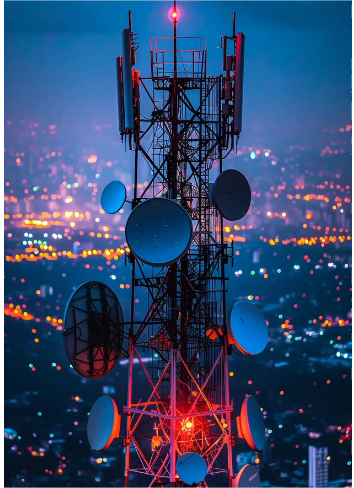
RF and Microwave (RF/MW) Awareness Training equips participants with an understanding of radio frequency and microwave radiation hazards associated with telecommunications antennas and cell sites. The training focuses on identifying RF/MW-emitting equipment, understanding potential radiation exposure risks, recognising safety signs and exposure zones, and applying basic safety precautions when working on or near telecommunications infrastructure.
Participants will also learn about different types of cell sites and antennas, the use of personal RF field monitors, basic risk assessment principles, and procedures for reporting damaged equipment or suspected radiation leaks. The course also covers communicating RF/MW safety information to members of the public.
Course Objectives
- Explain the basic principles of radio frequency and microwave radiation.
- Identify different types of telecommunications cell sites, base stations, and antennas.
- Recognise potential RF/MW exposure hazards and associated risks.
- Interpret RF/MW safety signs, warning notices, and designated exposure zones.
- Explain the purpose of personal RF field monitors and their role in exposure awareness.
- Identify basic precautions for reducing RF/MW exposure when accessing telecommunications sites.
- Understand basic risk assessment and hazard control measures for RF/MW exposure.
- Recognise the importance of reporting damaged antennas and suspected radiation leaks through the appropriate channels.
- Communicate basic RF/MW safety information to members of the public.
Benefits of the Training
- Improves awareness of RF/MW radiation hazards at telecommunications sites.
- Strengthens the identification of potential exposure risks around antennas and base stations.
- Promotes compliance with site access controls, safety signage, and established safety procedures.
- Encourages the appropriate use of personal RF field monitors and other applicable safety controls.
- Improves awareness of risk assessment, hazard reporting, and emergency response procedures.
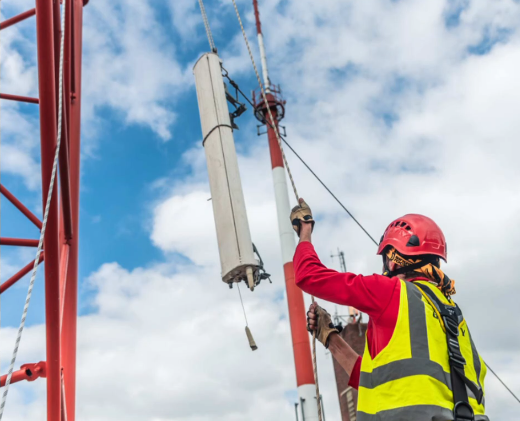
- Supports safer access to and work around telecommunications infrastructure.
- Enhances the ability to communicate basic RF/MW safety information to the public.
Course Outline
- People at Risk of RF/MW Exposure: Identifying groups that may be exposed to elevated RF/MW levels, including members of the public, work-at-height professionals, and RF workers.
- Introduction to Cellular Networks: Understanding cellular networks, signal transmission, and the role of base stations.
- Cell Sites and Base Stations: Identifying different types of telecommunications sites, including tower sites, rooftop sites, small cells, and Distributed Antenna Systems (DAS).
- RF/MW Radiation Exposure: Understanding non-ionising radiation, potential exposure hazards, exposure zones, and factors influencing radiation levels.
- Telecommunications Antennas: Recognising common antenna types, their functions, and potential hazards associated with their location and operation.
- RF/MW Safety Signs and Monitoring: Interpreting site warning signs, understanding exposure zones, and explaining the role of personal RF field monitors.
- Risk Assessment and Hazard Controls: Identifying RF/MW exposure hazards and understanding basic control measures, including authorised site access, adherence to safety signage, and appropriate reporting.
- Damaged Antennas and Suspected Radiation Leaks: Understanding the importance of reporting damaged equipment and following established network management procedures.
- RF/MW Safety in the Community: Communicating basic RF/MW safety information and responding appropriately to public concerns.
Course Duration
1 Day – Online Training, delivered through instructor-led virtual sessions.
Who Should Attend?
This course is suitable for telecommunications technicians, tower and mast workers, work-at-height professionals, engineers, HSE officers, site supervisors, maintenance personnel, contractors, and other individuals who may access or work near telecommunications antennas and RF/MW-emitting equipment.
Entry Requirements
Participants should be able to understand basic workplace safety instructions.
Certification
Successful participants may receive certification subject to the applicable training provider’s assessment and certification requirements.