Heavy Lifting Operations, Rigging & Slinging Safety Training
Course Overview
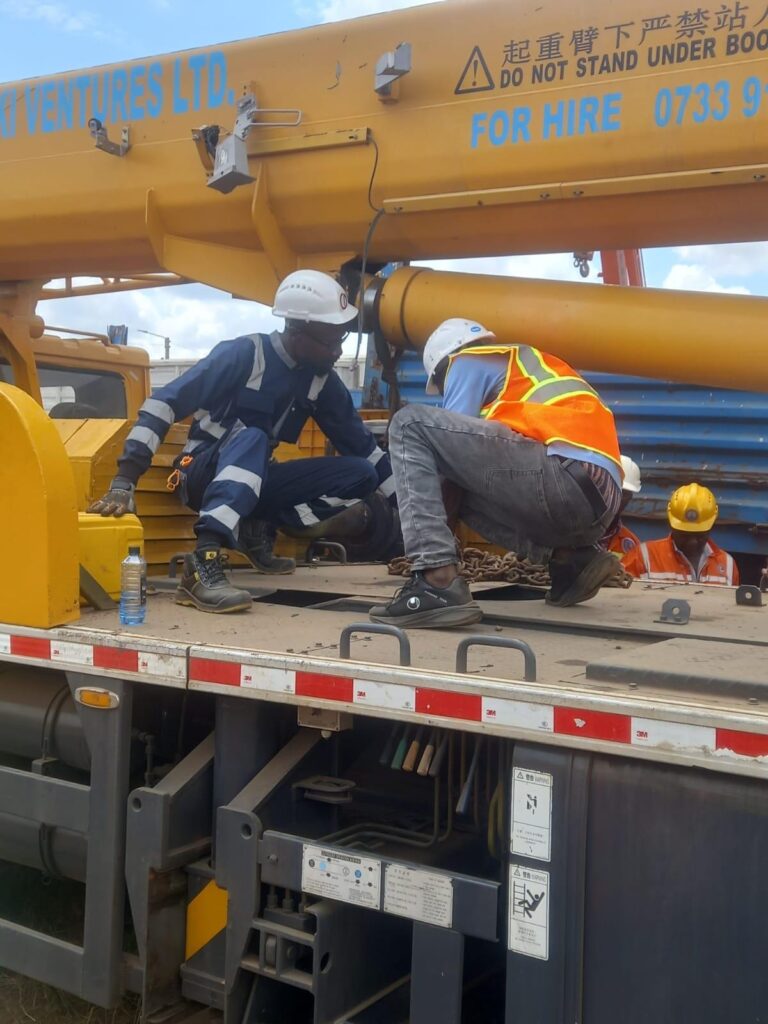
Heavy Lifting Operations, Rigging & Slinging Safety Training equips participants with the theoretical knowledge and practical skills required to plan, coordinate, and execute lifting operations safely. The training covers lifting equipment, rigging accessories, load assessment, slinging techniques, lift planning, equipment inspections, and banksman/signaller communication.
Through instructor-led sessions, demonstrations, and supervised practical exercises, participants develop the competence to identify lifting hazards, select appropriate equipment, control loads, and implement safe lifting procedures in industrial and operational environments.
Course Objectives
By the end of the training, participants will be able to:
- Identify, select, inspect, and correctly use lifting equipment and rigging accessories.
- Assess load weight, centre of gravity, lifting capacity, and working load limits.
- Apply appropriate slinging techniques and safe load-handling procedures.
- Conduct risk assessments and implement lifting plans and control measures.
- Demonstrate effective banksman/signaller communication and coordination during lifting operations.
Benefits of the Training
- Enhances competence in safe lifting, rigging, and slinging operations.
- Improves hazard identification and risk management during lifting activities.
- Promotes proper equipment selection, inspection, and defect reporting.
- Strengthens communication and coordination between lifting teams.
- Supports compliance with applicable occupational safety requirements and site procedures.
- Develops practical skills for safer and more efficient lifting operations.
Course Outline
The training covers the following key areas:
- Introduction to Lifting Operations: Lifting principles, roles and responsibilities, applicable safety requirements, and safe systems of work.
- Lifting Equipment and Mobile Plant: Equipment types, operating principles, load charts, lifting capacities, stability, and equipment limitations.
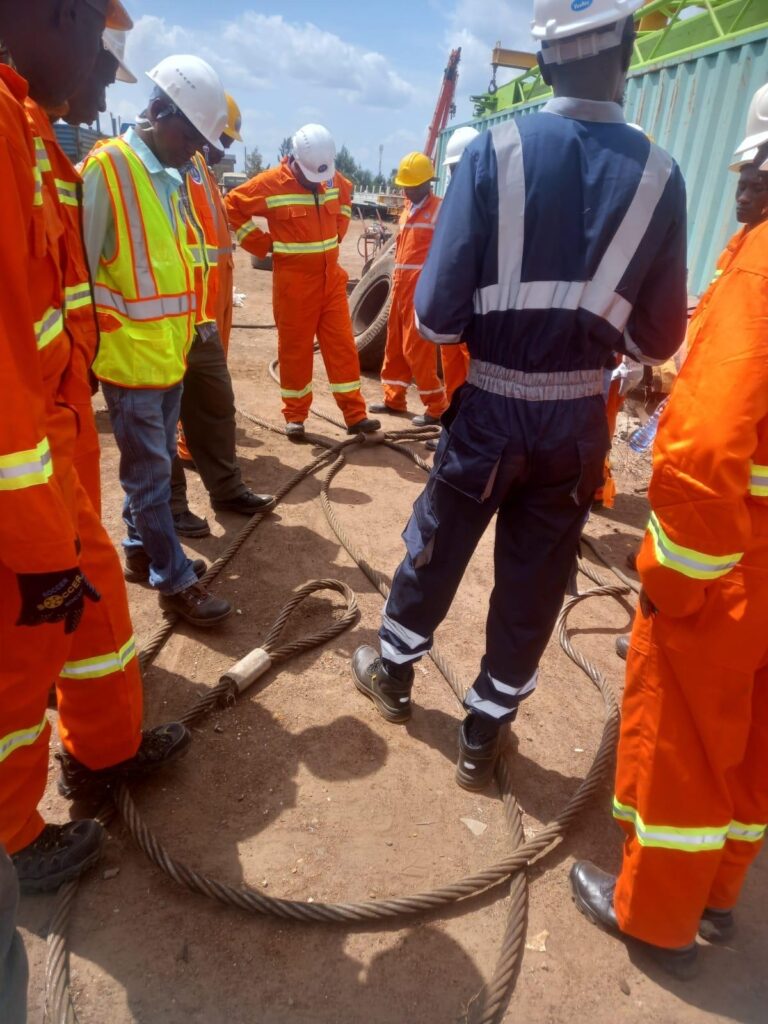
- Rigging Equipment and Accessories: Wire ropes, chains, webbing slings, shackles, hooks, lifting beams, spreader bars, working load limits, and equipment inspection.
- Slinging Techniques and Load Control: Load weight, centre of gravity, sling angles, load balancing, tagline use, and safe load handling.
- Lift Planning and Risk Assessment: Lift plans, method statements, hazard identification, exclusion zones, landing areas, and environmental considerations.
- Safe Lifting Operations and Inspections: Safe lifting procedures, pre-use inspections, defect identification, equipment isolation, and record-keeping.
- Banksman/Signaller Duties and Communication: Standard hand signals, radio communication, lifting coordination, and emergency stop procedures.
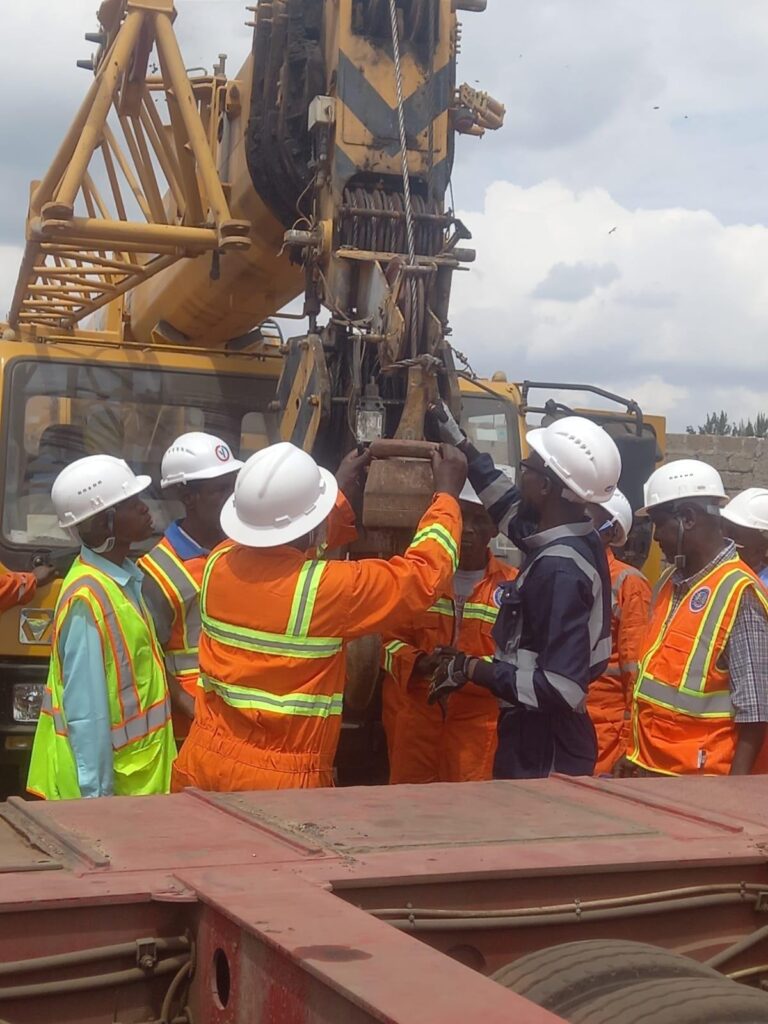
- Practical Training and Competency Assessment: Equipment inspection, sling selection, load attachment, lifting exercises, communication drills, and assessment of safe operating practices.
Training Methodology
The training combines theoretical instruction, equipment demonstrations, guided practical exercises, and competency-based assessments. Practical activities are conducted under qualified supervision using suitable lifting equipment and controlled training conditions.
Course Duration
The training duration will be determined based on the selected course scope, participants’ experience, equipment availability, and assessment requirements.
Who Should Attend?
- Crane and Forklift Operators
- Riggers and Slingers
- Banksmen and Signalers
- Lifting Supervisors and Appointed Persons
- Lifting Equipment Inspectors
- Mechanical and Maintenance Technicians
- Plant and Equipment Operators
- Construction and Site Supervisors
- Port and Cargo Handling Personnel
- Electrical and Power Technicians
- Engineers involved in lifting operations
- HSE Officers and Safety Supervisors
- Warehouse and Logistics Personnel
- Load Handlers and Material Handling Personnel
- Mining and Oil & Gas Operations Personnel
- Contractors involved in lifting operations.
Entry Requirements
Participants should be at least 18 years old, physically and mentally fit for the assigned training activities, and able to understand the training instructions. Appropriate personal protective equipment (PPE) is required. Any equipment-specific operator licensing or prior experience requirements will depend on the scope of training.
Assessment and Certification
Participants will be assessed through written and practical evaluations, as applicable to the training programme. Successful participants will receive certification subject to the training provider’s assessment and certification requirements.