Rope Rigging Training
Course Overview
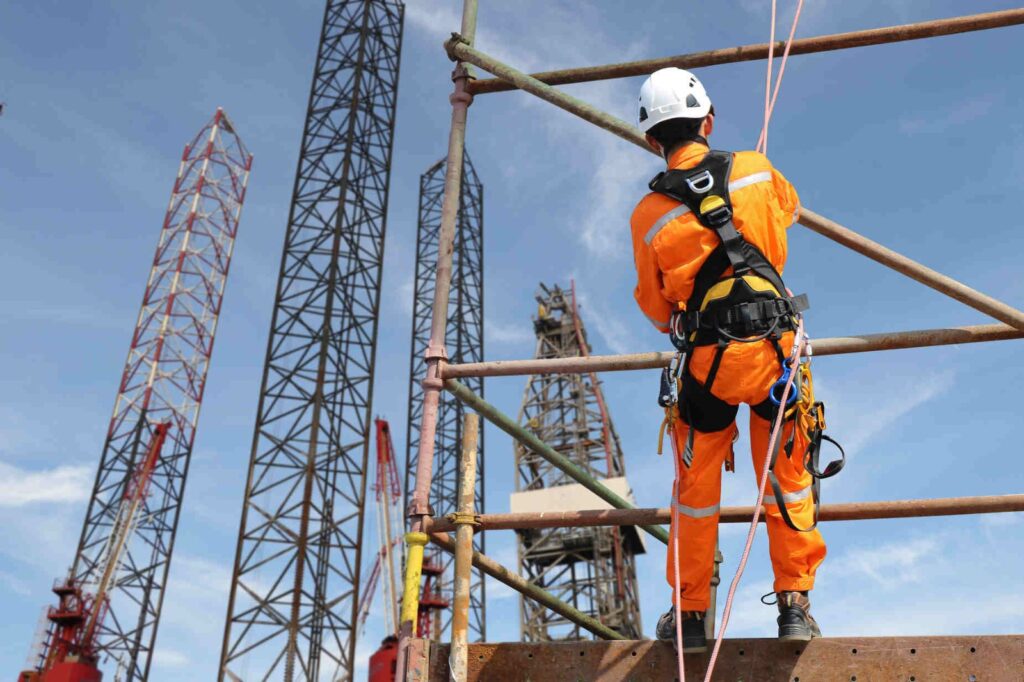
Rope Rigging Training equips participants with the theoretical knowledge and practical skills required to safely plan, prepare, and execute lifting and lowering operations using rope-based systems. The training covers rigging equipment selection and inspection, anchorage systems, slinging techniques, mechanical advantage, lifting plans, and load control to promote safe and efficient rigging operations.
Course Objectives
By the end of the training, participants will be able to:
- Identify, select, inspect, and correctly use rope rigging and lifting equipment.
- Conduct risk assessments, identify safe anchorage points, and implement lifting plans.
- Apply safe slinging techniques, tie appropriate knots, and assemble rigging systems.
- Operate 1:1, 1:2, and 1:3 pulley systems using mechanical advantage principles.
- Safely lift and lower loads while managing hazards, backup systems, and load control.
Benefits of the Training
- Develops practical competence in rope rigging and lifting operations.
- Promotes the safe selection, inspection, use, and care of rigging equipment.
- Improves hazard identification and risk management during lifting activities.
- Enhances understanding of mechanical advantage and load control.
- Strengthens the implementation of lifting plans and safe systems of work.
- Supports safer lifting operations across telecommunications, construction, utilities, and other industrial sectors.
Course Outline
The training covers the following key areas:
- Introduction to Rope Rigging: Rigging principles, applications, terminology, and relevant safety standards.
- Risk Assessment and Lifting Plans: Hazard identification, site-specific risk assessments, lifting plans, and supervisory responsibilities.
- Equipment Selection and Inspection: Identification of rigging equipment, pre-use inspections, equipment limitations, care, and maintenance.
- Slinging and Rigging Principles: Load attachment, anchorage selection, safe slinging techniques, and load stability.
- Rope Handling and Knots: Rope coiling, bagging, knot tying, and appropriate rope handling techniques.
- Mechanical Advantage Systems: Assembly and operation of 1:1, 1:2, and 1:3 pulley systems, backup systems, and load management.
- Safe Lifting and Lowering Operations: Load control, guide ropes, clearance management, sharp-edge protection, and buddy systems.
- Practical Training and Assessment: Rigging system assembly, lifting and lowering loads, anchorage selection, implementation of lifting plans, and competency evaluation.
Course Duration
3 days — comprising 8 hours of training per day, including theoretical instruction, practical exercises, and competency assessment.
Who Should Attend
- Rope Access and Fall Arrest Technicians
- Rope Rigging Technicians and Riggers
- Telecommunications and Tower Technicians
- Construction Workers and Site Supervisors
- Electrical and Utility Technicians
- Mining and Oil & Gas Personnel
- Wind Energy Technicians
- Mechanical and Maintenance Technicians
- Engineers involved in lifting and rigging operations
- Rescue and Emergency Response Personnel
- Personnel involved in rope-based lifting and load handling.
Entry Requirements
Participants must be at least 18 years old, physically and mentally fit to undertake the training, and able to read, write, and understand English and perform basic numerical calculations. Participants must present a valid medical fitness certificate issued within the preceding three months and an original identification document or passport. Appropriate work clothing, safety footwear, a high-visibility vest, and a safety helmet are required.
Assessment and Certification
Successful trainees will receive a valid certificate, subject to the training provider’s certification requirements. The stated certificate validity is three years.